
Optimal Timing for Storm Restorations
Storm restorations are most effective when performed promptly after severe weather events. Timing depends on weather patterns, local climate, and the urgency of damage. Proper scheduling ensures safety and maximizes restoration quality.
Immediate assessment after a storm helps identify damage early, preventing further issues and enabling timely restoration.
Spring and early summer often see increased storm activity, making these periods ideal for proactive preparations and quick response.
Clear, dry days following storms provide optimal conditions for effective repairs and restoration work.
Performing inspections before storm seasons can reduce damage severity and improve response times when storms occur.
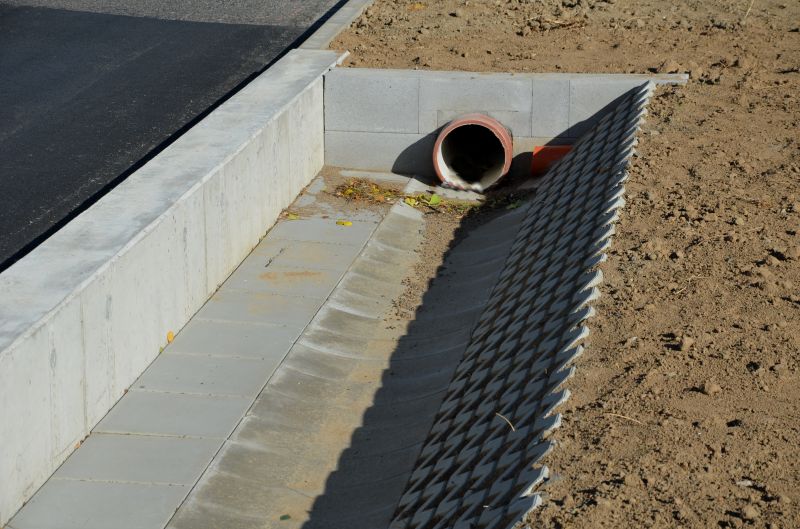
Ways to make Storm Restorations work in tight or awkward layouts.
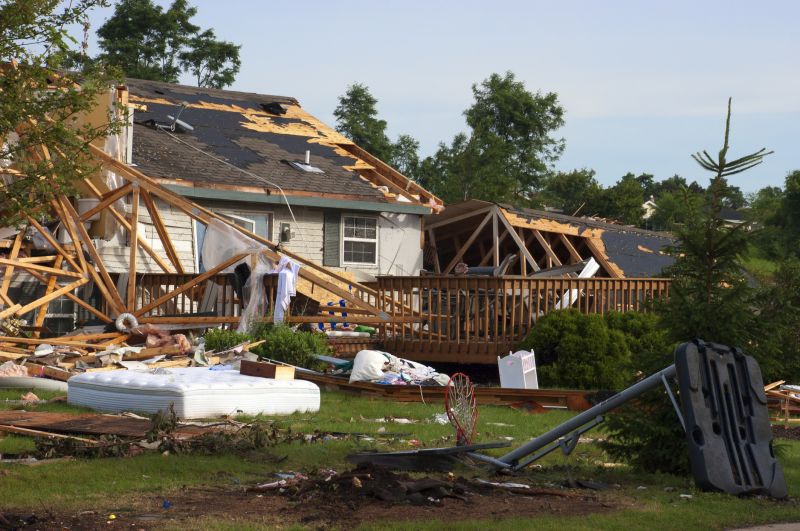
Popular materials for Storm Restorations and why they hold up over time.
Simple add-ons that improve Storm Restorations without blowing the budget.
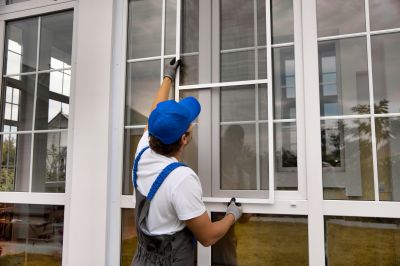
High-end options that actually feel worth it for Storm Restorations.
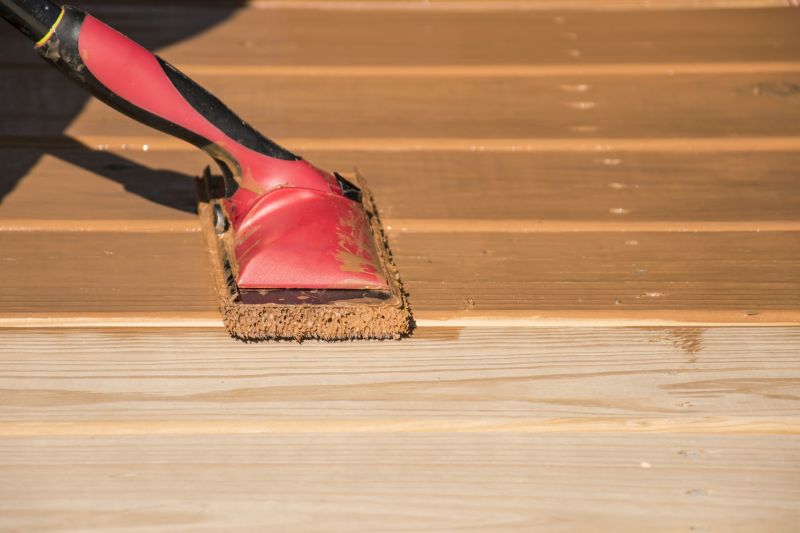
Finishes and colors that play nicely with Storm Restorations.
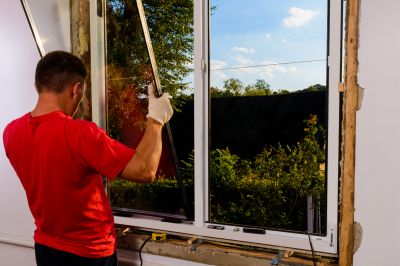
Little measurements that prevent headaches on Storm Restorations day.
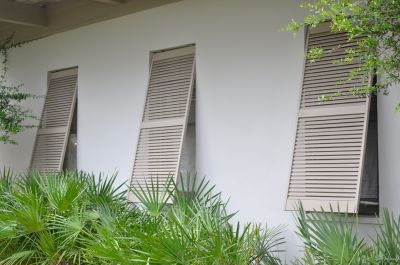
A 60-second routine that keeps Storm Restorations looking new.

A frequent mistake in Storm Restorations and how to dodge it.

Small tweaks to make Storm Restorations safer and easier to use.
| Factor | Impact on Storm Restorations |
|---|---|
| Weather Conditions | Clear days facilitate faster and safer repairs. |
| Storm Season | Higher activity periods require prompt response. |
| Damage Severity | Severe damage demands immediate action. |
| Resource Availability | Access to materials and workforce influences timing. |
| Community Preparedness | Prepared communities can respond more efficiently. |
| Inspection Timing | Early assessments prevent secondary damage. |
| Local Regulations | Permitting and inspections may affect scheduling. |
| Safety Conditions | Work should be scheduled when conditions are safe. |
Storm restorations involve restoring damaged structures caused by severe weather events such as high winds, hail, and heavy rainfall. These processes include roof repairs, siding replacement, window restoration, and structural assessments. Timely responses are essential to prevent further deterioration and to ensure safety. Statistics indicate that prompt storm response can reduce repair costs by up to 30% and minimize the risk of secondary damages such as mold or structural failure.